Chimney Sweep Melbourne: Cleaning, Inspections & Repairs
If your fireplace is smoking into the room, your wood heater is struggling to draw, or you cannot remember the last time your flue was cleaned, it is worth having it checked before you use it again.
🏆
15+ Years
Certified Chimney Sweep Experts
✅
500+
Chimneys Cleaned
What We Do
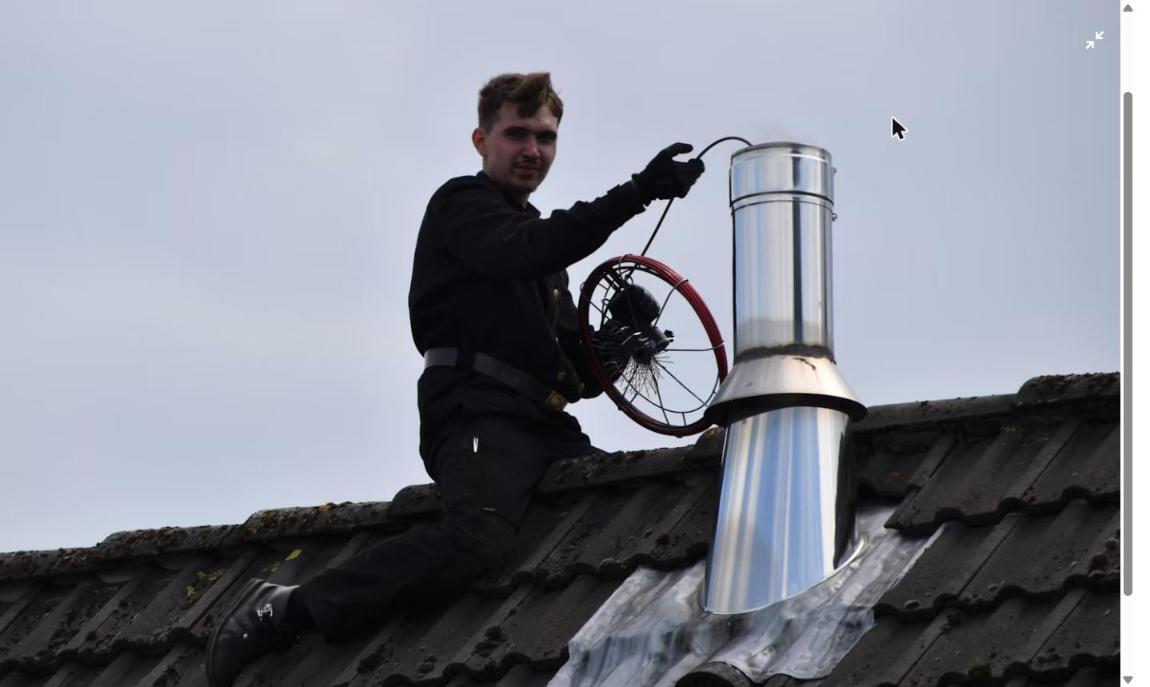
We carry out chimney sweeps, flue cleans, inspections and repairs across all Melbourne suburbs. We get up on the roof, check what’s actually going on, and tell you the truth about what needs doing — and what can wait.
Chimney Sweeping and Flue Cleaning
We remove soot, creosote and debris from your flue using professional brushes and vacuum equipment. Most fireplaces in Melbourne need this done once a year.
Chimney Repairs
Crumbling mortar, cracked flaunching, spalling bricks, a loose chimney pot — these are the most common issues we see. We fix what needs fixing and give you a straight answer about what can wait.
Chimney Inspections
Not sure what’s going on with your chimney? We inspect the full stack from the roof, check the flue, pot, flaunching, mortar joints and flashing, and give you a written report with photos.
Chimney Relining
Older Melbourne homes often have cracked, corroded or unlined flues. We install stainless steel or flexible flue liners suited to your heater type.
Fireplace Cleaning
We clean fireboxes, glass doors, grates and surrounds. For open fireplaces and enclosed heaters both.
Wood Heater Service
A wood heater needs more than a flue clean. We check door seals, gaskets, baffles and flue connections to make sure it’s burning safely and efficiently.
Signs Your Chimney Needs Attention
• White staining on the outside of the chimney stack
• Brown water stains on the ceiling near the fireplace
• A smoky smell when the fire isn’t burning
• Smoke coming back into the room when you light a fire
• A slow-drawing fire that’s hard to get going
• Soot or small pieces of debris falling into the firebox
• Sounds of animals or birds inside the chimney
Any one of these is worth a call. Most are simple to fix early. Left alone, they get expensive.
Melbourne Chimneys Have a Hard Life
The weather in Melbourne is rough on old brickwork. Cold wet winters, hot dry summers, and daily temperature swings that stress mortar joints year-round.
A large share of Melbourne’s housing stock was built between the 1880s and the 1960s. Many of those chimneys have never been properly inspected or repointed. If your home is over 50 years old, your chimney has almost certainly had better days.
We work across Melbourne’s inner suburbs — where Victorian and Edwardian chimneys made from soft heritage brick need lime mortar, not cement — and through the outer suburbs, where post-war brick homes have their own set of common faults.
What It Costs
Chimney sweep and flue clean — $180-$350
Chimney inspection with written report — $150-$250
Flaunching repair — $400-$800
Partial chimney repointing — $600-$1,500
Full chimney repoint — $1,200-$2,500
Chimney pot replacement — $350-$700
Wood heater service — $200-$400
Chimney relining — $1,500-$4,500+
Cost depends on chimney height, access, and condition. We give you a written quote before any work starts. No surprises.
Heritage Chimneys in Melbourne
Many homes in Carlton, Fitzroy, Richmond, Hawthorn, Brunswick, Northcote and Collingwood have original lime mortar chimneys built in the Victorian or Edwardian era.
These need a different approach. Cement mortar is too hard for old heritage brick. It traps moisture and transfers stress into the brick face — causing it to crack and flake over time.
We use lime-based mortars on all pre-1950s Melbourne properties, in line with the Heritage Council of Victoria’s published technical codes.
Information for Landlords
If you rent out a property with a chimney or fireplace in Victoria, you have a legal duty to keep it in good repair. Under the Residential Tenancies Act 1997, landlords must maintain rental properties in a safe and habitable condition.
Once a tenant raises a chimney issue in writing, you’re legally required to act on it. VCAT can order urgent repairs if they’re not addressed.
We provide written condition reports and before-and-after photos on all jobs.
Chimney maintenance is also generally tax-deductible on rental properties.
Does Home Insurance Cover Chimney Damage?
Sometimes — but not always. Australian home insurance policies typically cover sudden, accidental damage. What they don’t cover is gradual wear and tear. Keeping records of chimney maintenance protects your position.
Areas We Cover
Inner Melbourne: Fitzroy, Carlton, Collingwood, Richmond, South Yarra, Prahran, St Kilda, Cremorne, Abbotsford
Inner North: Brunswick, Northcote, Thornbury, Preston, Reservoir, Coburg, Essendon, Moonee Ponds
Inner East: Hawthorn, Kew, Camberwell, Balwyn, Canterbury, Surrey Hills, Glen Iris, Malvern
Eastern Suburbs: Box Hill, Doncaster, Ringwood, Mooroolbark, Lilydale, Templestowe, Nunawading
South-Eastern Suburbs: Glen Waverley, Mount Waverley, Oakleigh, Clayton, Dandenong, Berwick, Frankston
Bayside: Brighton, Hampton, Sandringham, Cheltenham, Bentleigh, Moorabbin, Mentone
Western Suburbs: Footscray, Williamstown, Newport, Altona, Sunshine, Werribee
Not on the list? Call us. We service the full Melbourne metro area.
Why Melbourne Homeowners Choose Us
We’re not a national franchise. We’re a Melbourne chimney service run by people who know Melbourne’s housing stock — from the lime-mortared Victorian stacks in Carlton and Fitzroy to the brick-veneer flues in Box Hill and Doncaster.
We Show Up and We’re Straight With You
No call centres, no subcontracted work sent to whoever’s cheapest that week. When you book with us, you get a technician who knows what they’re looking at and tells you plainly what the chimney needs — and what it doesn’t.
Written Quotes, Every Time
We don’t give verbal estimates that change when we get on the roof. You get a written quote before any work starts. The price in that quote is the price you pay.
Clean, Documented Work
We use drop sheets, chimney vacuum equipment and seal the firebox opening before we start. When we leave, the work area is cleaner than when we arrived. Every job comes with a written record of what was found and what was done — useful for insurance, landlord documentation, and knowing where you stand with your property.
We Know Melbourne’s Chimneys
Melbourne’s housing stock is unusual in Australia. You’ve got soft handmade brick from the 1880s sitting next to a 1960s clinker-brick extension next to a 1990s rendered addition. Each generation of construction has its own failure patterns and its own repair requirements. We’ve worked on all of them.
How Our Chimney Service Works — From First Call to Finished Job
Here’s what happens when you book with us:
Step 1 — You Call or Fill in the Form
Tell us your suburb, your chimney type (if you know it), and what’s prompted the call. We’ll give you a clear idea of what’s likely needed and a price range. No obligation at this point.
Step 2 — We Confirm the Booking
We’ll send you a confirmed appointment time in writing. We aim to book within the week for standard sweeps and inspections. Urgent work — a blocked flue, a heater that won’t draw — is prioritised where we can.
Step 3 — We Arrive and Assess
Before touching the chimney, we look at the full picture. What’s the house? What period? What’s the chimney built from? What heater or fireplace is connected? We get onto the roof, inspect the external condition, then check the internal flue and firebox.
Step 4 — We Tell You What We Found
If it’s a straightforward sweep, we get on with it. If we find a repair that needs quoting, we explain it clearly — what it is, why it matters, and what it’ll cost — before we do anything extra.
Step 5 — We Do the Work
The sweep, inspection, or repair is carried out properly. We’re not in a hurry. Lime mortar is mixed and applied correctly. Flue brushes are worked through the full height of the flue. Camera inspections capture the full length of the liner.
Step 6 — We Leave You With Paperwork
You get a written record of the work: what was done, what was found, and any recommendations for future maintenance. If you’re a landlord, this goes on the property’s file. If you’re a homeowner, it’s useful at resale.
What Type of Chimney Does Your Melbourne Home Have?
Melbourne homes span more than 140 years of construction. Each era has its own chimney type — and its own set of typical problems.
Victorian and Edwardian Chimneys (1860s–1914)
These are the tall, narrow brick stacks you see on terrace houses and Victorian cottages in Fitzroy, Collingwood, Carlton, Richmond, Brunswick, Northcote, Hawthorn, Kew, Williamstown and St Kilda. Built with soft handmade brick and lime mortar. They’re beautiful and often in reasonable condition, but at 110–160 years old, the mortar joints are close to or at the end of their original life.
The main risk: previous tradespeople have repointed them with Portland cement instead of lime mortar. Cement is too hard for old soft brick. It traps moisture and the brick face cracks and spalls. We look for this on every inspection.
Interwar Chimneys (1915–1940)
Commonly found in Camberwell, Malvern, Surrey Hills, Box Hill, Glen Iris, Balwyn and Canterbury. Many of these homes have multiple chimneys — one to each reception room was standard in a well-appointed interwar home. Often built with harder pressed brick, which is more durable, but the mortar and flaunching are now 80–110 years old.
Post-War Brick Chimneys (1940s–1970s)
Common across Melbourne’s outer ring suburbs: Doncaster, Ringwood, Berwick, Frankston, Glen Waverley, Moorabbin, Brighton. Post-war builders used Portland cement mortar throughout, so compatibility is less of an issue, but these chimneys are now 50–80 years old and the flaunching, pots and flashing are commonly at end of life.
Brick-Veneer Chimneys (1970s–1990s)
Thinner, lighter chimneys common in Melbourne’s outer suburbs. Often connected to a wood heater rather than an open fireplace. More susceptible to flashing failure than older solid-brick stacks, and many have undersized or uncertified flue liners from the original installation.
Modern Insulated Flue Systems (1990s–present)
Powdercoated or stainless steel twin-wall flue systems running through the house or up an external wall. These have different maintenance needs: the flue connector and joints need checking, and the cowl at the top should be inspected for blockage and corrosion.
Melbourne’s Chimney Seasons — When to Book and Why
Summer (December – February): The Best Time to Book
Most people don’t think about their chimney in summer. That’s exactly why summer is the best time to book. Appointments are available quickly, and getting the sweep done before Easter means you’re ready for the first cold snap in April. Creosote left sitting in a warm flue all summer intensifies in smell — a summer sweep clears it before it becomes a problem.
Autumn (March – May): High-Demand Season Begins
As temperatures drop and people start lighting fires again, chimney bookings spike. April and May are the busiest months of the year for us. If you book in autumn, get in early — by late April, we’re often booking several weeks ahead.
Winter (June – August): Emergency Season
June and July are when problems that were always there become impossible to ignore. Smoke backing into a room. A blocked flue. A wood heater that won’t draw. We do our best to fit in urgent winter jobs, but we can’t always do same-week. If your heater isn’t working and it’s July in Melbourne, call us early in the day.
Spring (August – November): Bird Nest Season
Common starlings nest in Melbourne chimneys from late July through to November. If you hear scratching or cheeping sounds inside your chimney in spring, there’s a nest. Don’t light the fire. Call us — we’ll remove the nest and fit a cowl so they can’t come back.
Chimney Fire and Carbon Monoxide Risks in Melbourne Homes
Two words that should matter to every Melbourne homeowner with a chimney: chimney fire and carbon monoxide.
Chimney Fires
Creosote — the tarry residue left by wood combustion — builds up inside the flue every time you use a wood fire. When creosote accumulates to a heavy coating and the flue reaches a high enough temperature, it can ignite inside the chimney. Chimney fires burn at temperatures exceeding 1,000°C and can damage or destroy flue liners, crack chimney stacks, and ignite the roof structure.
The risk is highest in chimneys that haven’t been swept in several years, in homes that burn unseasoned (green) wood, and where fires are banked down and run at low temperatures to keep them going through the night — a very common Melbourne practice that dramatically increases creosote deposition.
Annual sweeping is the main preventive measure. A clean flue doesn’t catch fire.
Carbon Monoxide
A blocked or partially blocked flue can prevent combustion gases — including carbon monoxide — from escaping up the chimney. Carbon monoxide is colourless and odourless, and at sufficient concentration it causes incapacitation and death before the occupant is aware of a problem.
A bird nest, a collapsed flue section, or a flue that was never the right size for the heater connected to it can all cause carbon monoxide to back-draft into the room. If your smoke alarm goes off frequently when you use the fire, or if household members feel headaches or nausea near the fire, this is a warning sign to take seriously.
We carry out full flue inspections and can identify draught problems, blocked sections and undersized flues. If you’re not sure whether your chimney is drawing correctly, have it checked before winter.
Chimney Maintenance for New Melbourne Homeowners
If you’ve recently bought a home in Melbourne with a chimney — particularly an older home in an inner suburb — here’s what we’d tell you before you light your first fire.
Get an Inspection Before You Light It
A standard building and pest inspection does not cover chimney condition in any useful detail. The inspector may note that a chimney pot is cracked or that mortar is deteriorating, but they won’t get inside the flue with a camera, they won’t assess the flaunching properly, and they won’t tell you whether the existing flue liner is safe.
We carry out pre-purchase and new-owner chimney inspections across Melbourne. The inspection gives you a full picture of what you’ve bought and what it needs.
Check the Wood Heater Compliance
If the property has a wood heater, it should have been installed with a building permit and signed off by a council inspector. This is often not the case with older installations. A heater installed without a permit — or an uncertified heater model — can affect your insurance and can be a resale issue.
We can check the heater model against the certified heater register and assess whether the installation meets AS/NZS 2918 requirements.
Know What You’re Burning
Melbourne’s inner suburbs have heritage overlay protections that mean using incompatible materials on a Victorian chimney is not just a maintenance mistake — it can require council approval to fix. If your home is in a heritage overlay area, you need to know before any chimney repair work is carried out. We flag this at the inspection stage.
Frequently Asked Questions
How often does a chimney need sweeping in Melbourne?
For a fireplace used regularly through winter, once a year is the standard guide. For rarely used fireplaces, every two years is usually enough.
How much does a chimney sweep cost in Melbourne?
Most chimney sweeps in Melbourne cost between $180 and $350. The price depends on chimney height and how easy it is to access.
What’s the difference between a chimney sweep and a chimney inspection?
A sweep removes soot and debris from the flue. An inspection checks the structural condition of the chimney.
Can I still use my fireplace if the chimney hasn’t been swept?
We’d recommend an inspection first. A blocked or heavily sooted flue is a fire risk and a carbon monoxide risk.
What causes a chimney to smell inside the house?
Usually creosote. When a flue hasn’t been cleaned for a while, creosote builds up on the flue walls. In warm or humid conditions, it releases a strong smell.
Do I need a permit to repair my chimney in Melbourne?
For most routine work, no permit is needed. If your property is under a heritage overlay, a council planning permit may be required.
Can birds block a chimney in Melbourne?
Yes. Common starlings, sparrows and sometimes pigeons nest in chimneys. We remove nests as part of our sweep and can fit a mesh cowl to prevent them returning.
Is chimney sweeping messy inside the house?
We use drop sheets and vacuum equipment to keep the work area clean.
Trusted by Melbourne Homeowners, Landlords and Property Managers
Over the years we’ve swept and serviced chimneys in more Melbourne suburbs than we can count — from single Victorian cottages in Fitzroy with one original fireplace to large interwar homes in Camberwell with four chimney stacks and six flues.
We’re regularly called by property managers who need a reliable, documented chimney service for their landlord clients. We understand what landlords need: clear written reports, dated and signed records of work carried out, and photographs that show both the before and after condition of the chimney.
We’re also called by homeowners who’ve had another tradesperson tell them something vague about their chimney — and who wanted a straight answer from someone who could show them exactly what was going on.
Our Guarantee
All workmanship is guaranteed for 12 months from the date of service. If a repair we carried out fails within that period — and the failure is caused by our workmanship rather than subsequent weather events, structural movement outside our work area, or third-party interference — we’ll return to assess and fix it at no charge.
We use appropriate materials for each chimney type. We don’t use Portland cement on heritage brick. We don’t use undersized brushes that miss the flue walls. We don’t skip the camera inspection when it’s needed. Doing the job right the first time is less expensive for everyone.
Book a Chimney Sweep in Melbourne
We’re available across Melbourne and usually book within the week.
Call us for a free quote or use the contact form.
Call us on number goes here, or find us at address goes here.